Plant care
Care guides for the plants you love.
Clear, evidence-led houseplant guidance for the way plants actually live at home.
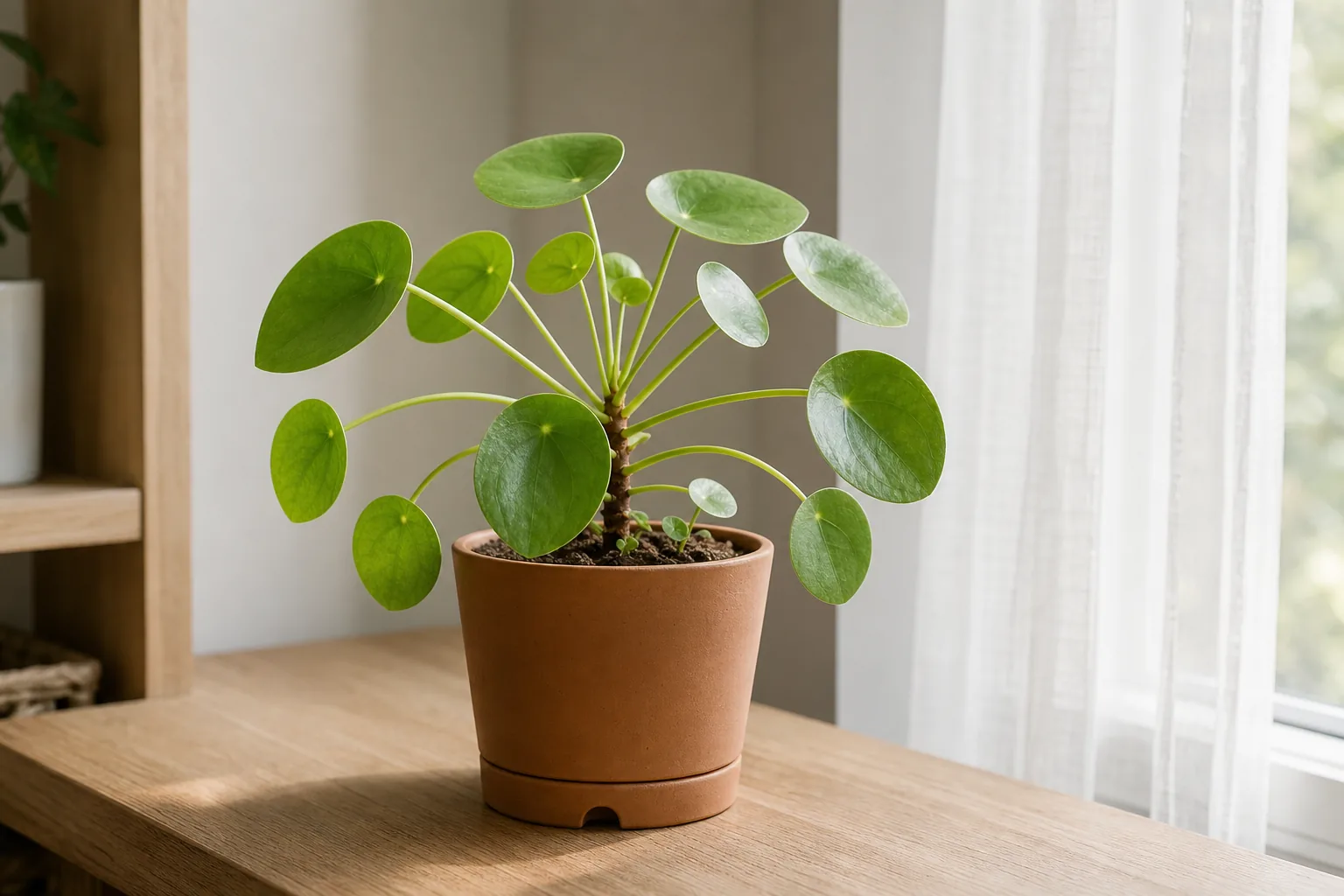
Pilea peperomioides care
A practical Pilea peperomioides care guide covering light, a dry-down watering rhythm, soil and pot setup, why the plant leans, what to do with pups, and how to read common leaf signals.
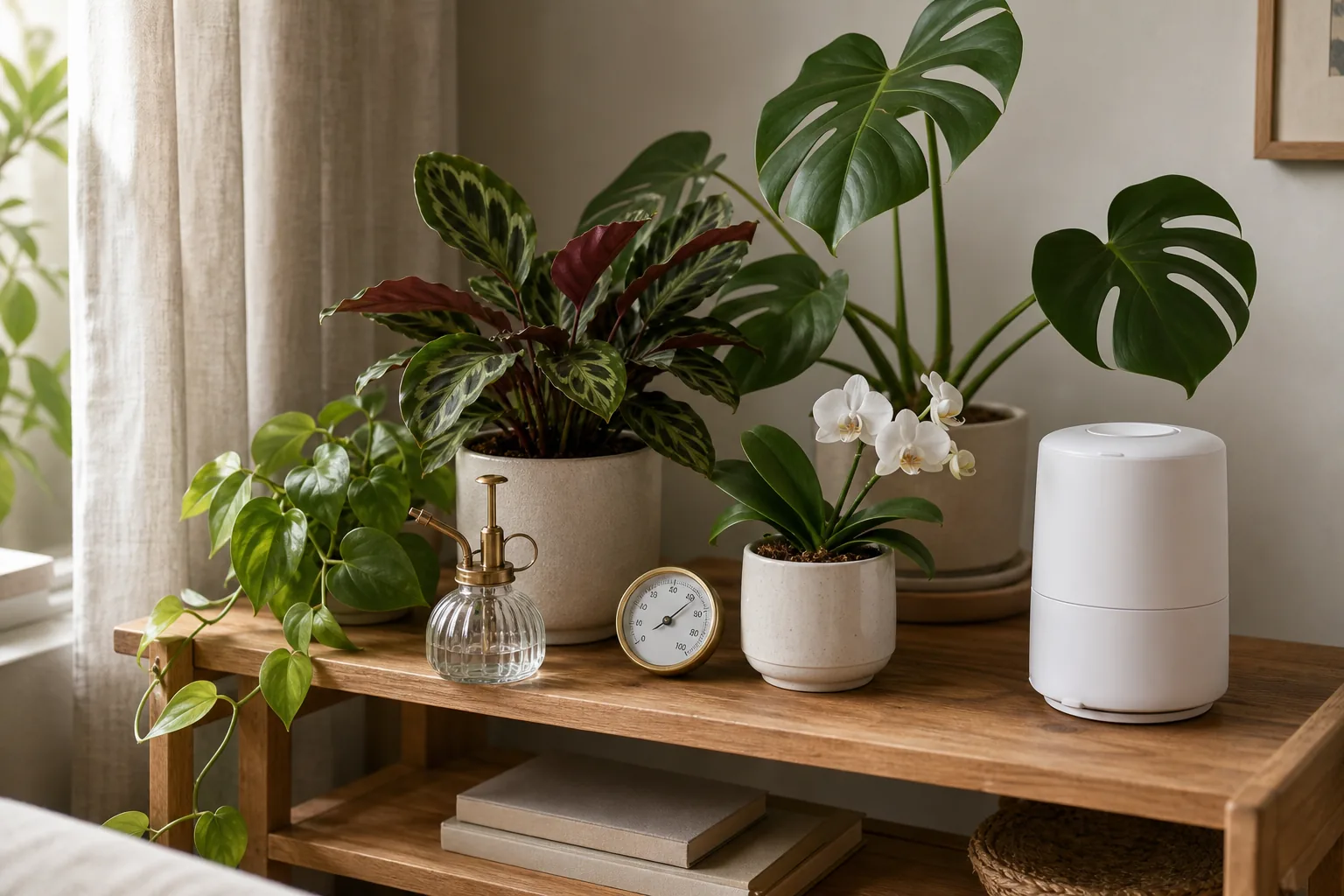
Plant mister vs humidifier for houseplants: a side-by-side comparison
A plant mister and a room humidifier change different things. Compare what each one does, when it makes sense, and when neither is the right answer.
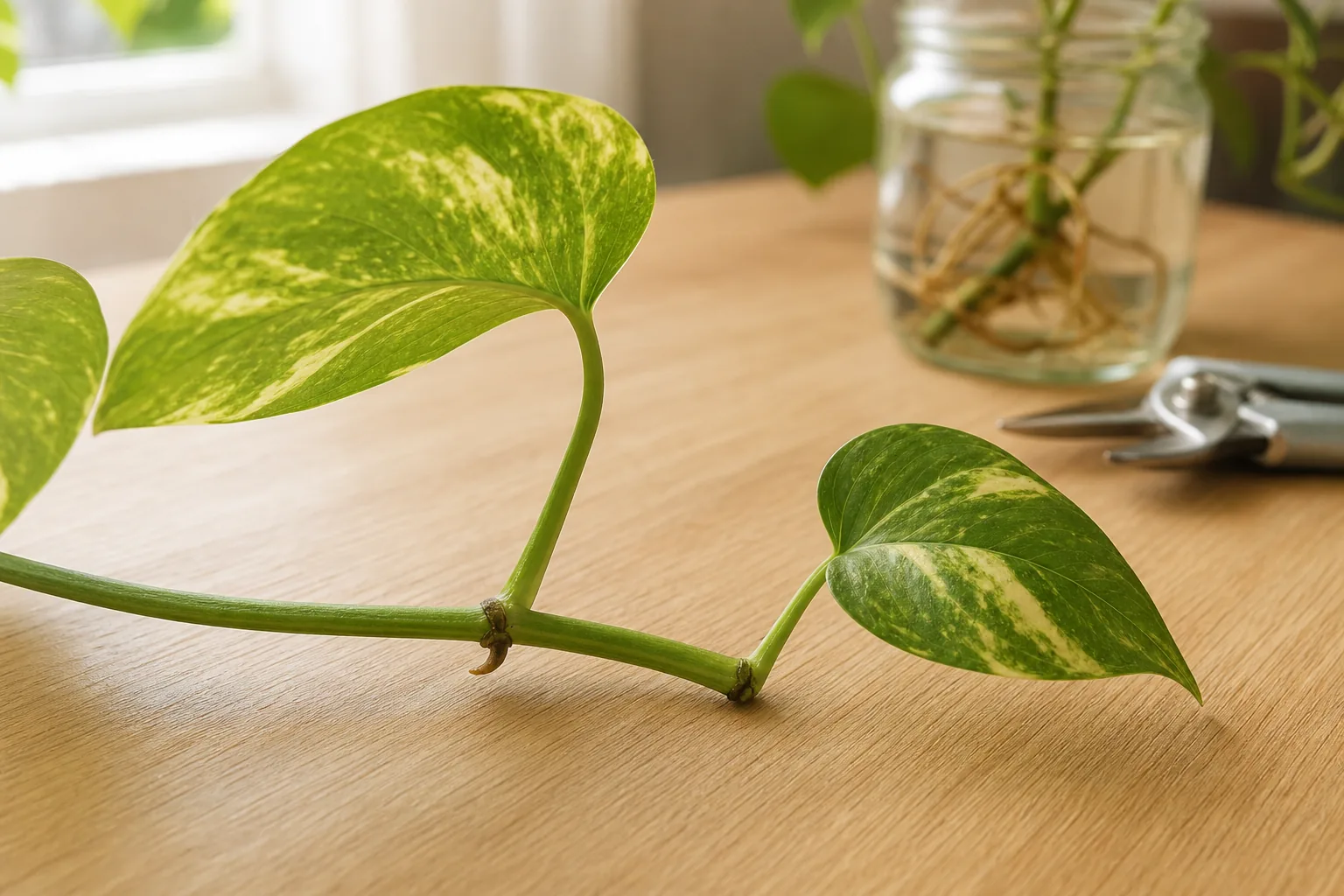
Plant nodes and where to cut on a houseplant stem
A plant node is the joint on a stem where a leaf or aerial root attaches. Here is how to find it, recognise the internode, and cut just below a healthy node.
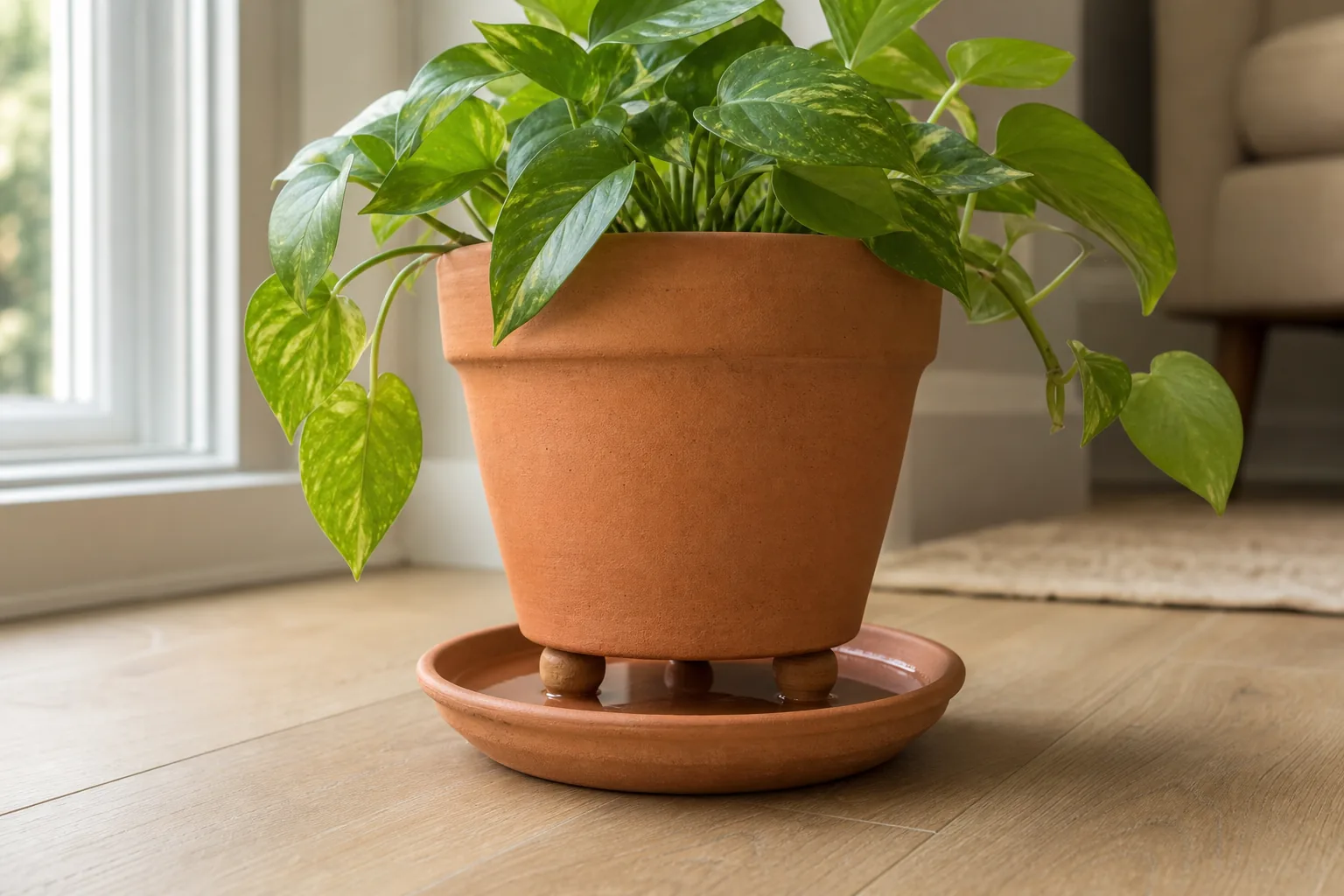
Plant saucers and pot feet: a practical guide to sizing, depth, and emptying
Sizing, depth, and emptying rhythm for indoor plant saucers. When pot feet actually help and how to keep standing water off the drainage hole.
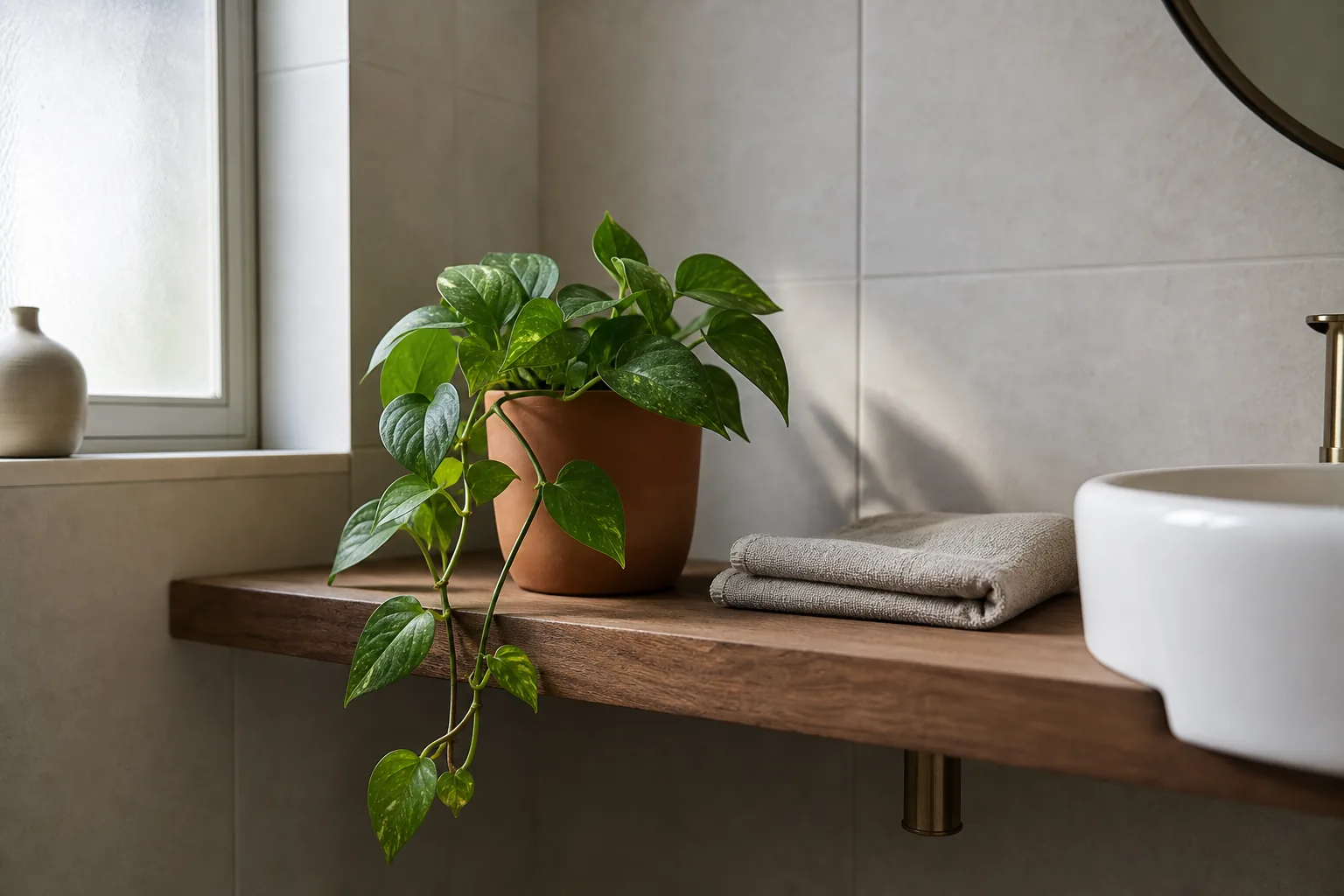
Plants for a low-light bathroom
A small group of houseplants tolerates low light and intermittent bathroom humidity better than most. Read the actual light and humidity before choosing a species.
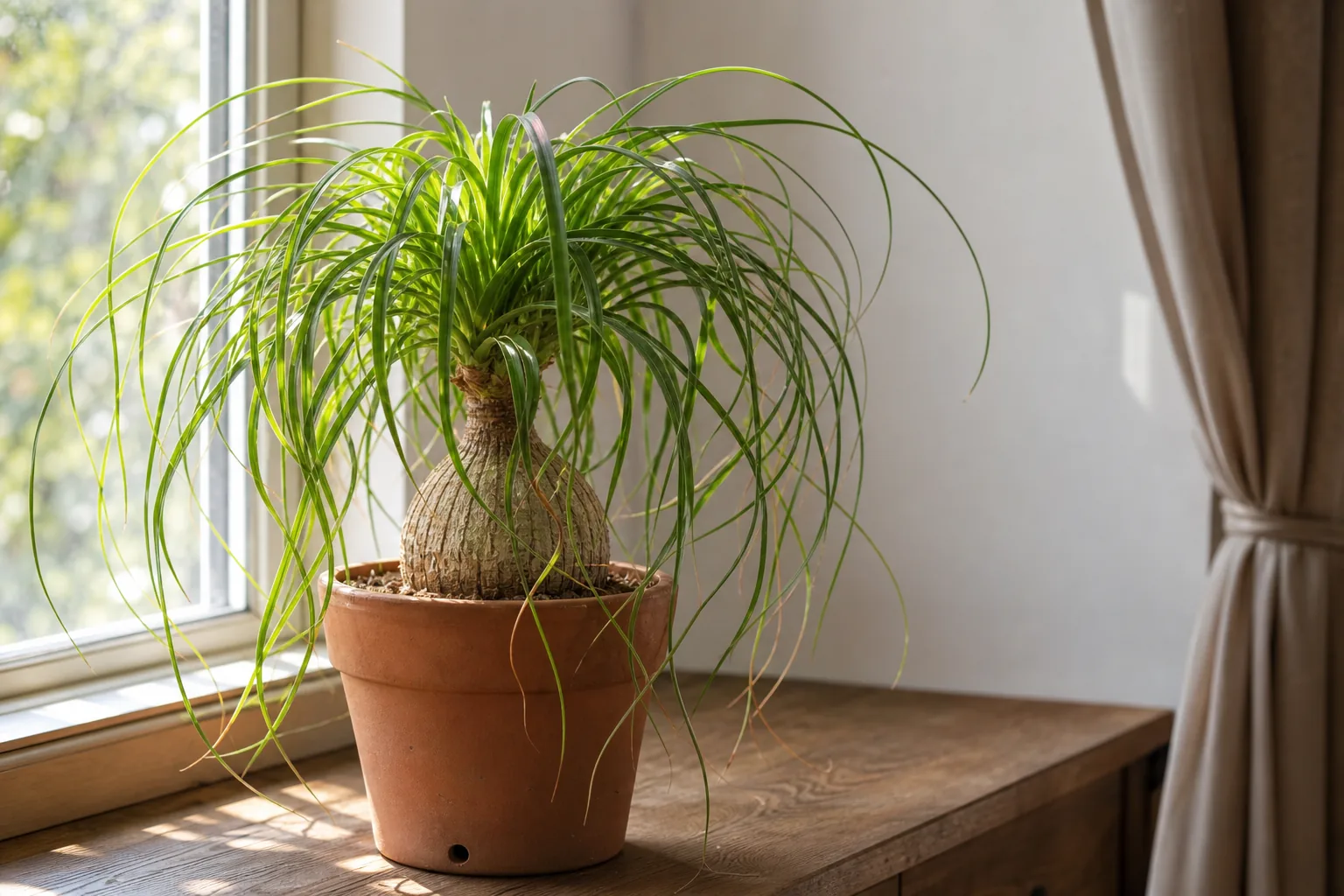
Ponytail palm care indoors: read the caudex, not the calendar
A ponytail palm (Beaucarnea recurvata) is a caudex-storing, sun-loving plant, not a true palm. Here is how light, water, soil, and pot setup actually work in an ordinary room.
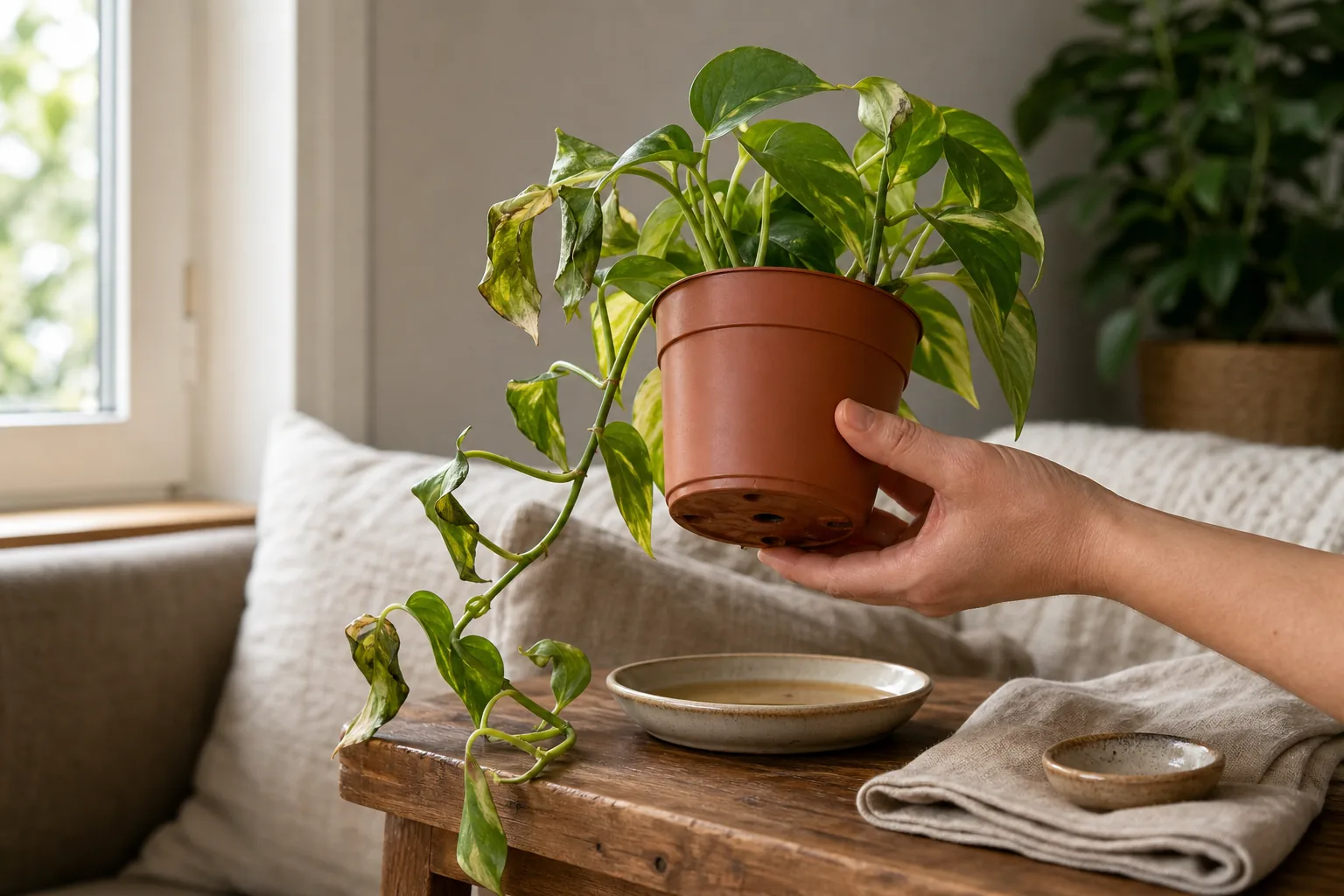
Pothos leaves curling: what to check before you change anything
Curling on a pothos is a stress signal, not a diagnosis. A five-to-ten-minute inspection of the pot, the spot, the room, and the leaf undersides helps tell watering, light, drafts, roots, pests, and recent change apart.
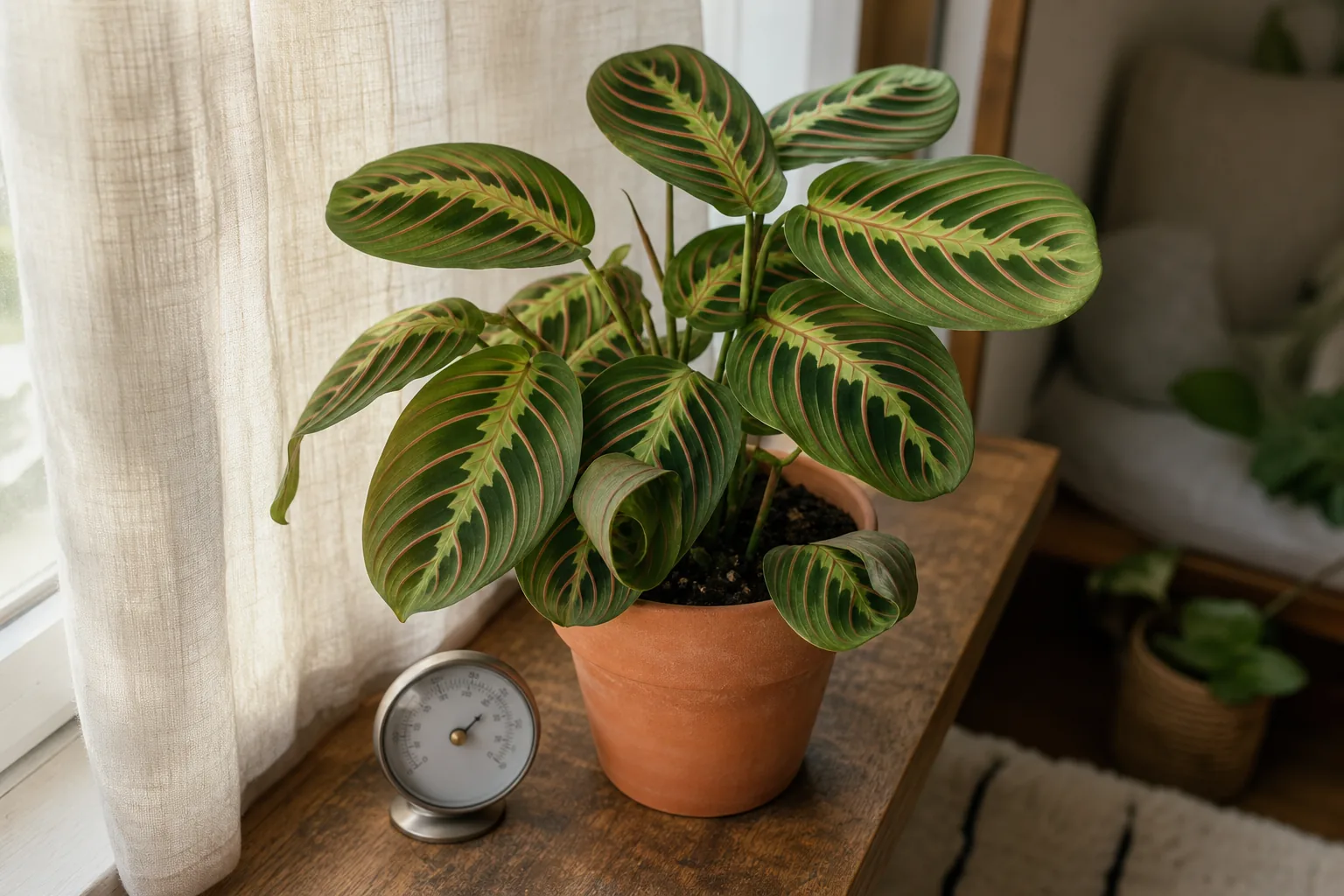
Prayer plant leaves curling: how to read what the plant is telling you
How to tell whether curling on a prayer plant is normal nightly folding or a sign of stress, and which moisture, light, and temperature observations to make before changing anything.
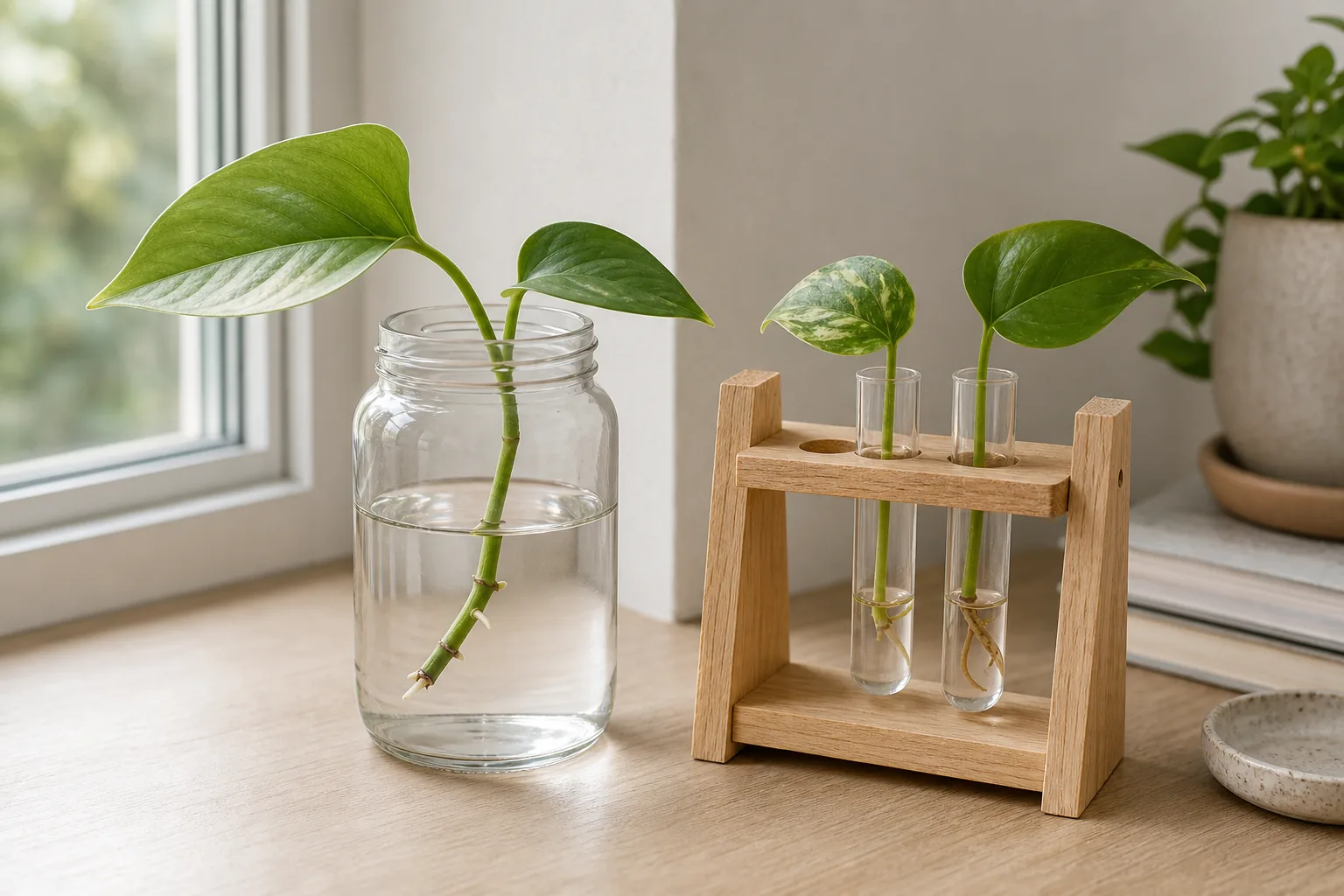
Propagation station vs jar: does the vessel actually matter?
A propagation station and an ordinary glass jar do the same job for a rooting cutting. Here's how to decide which one fits your routine.
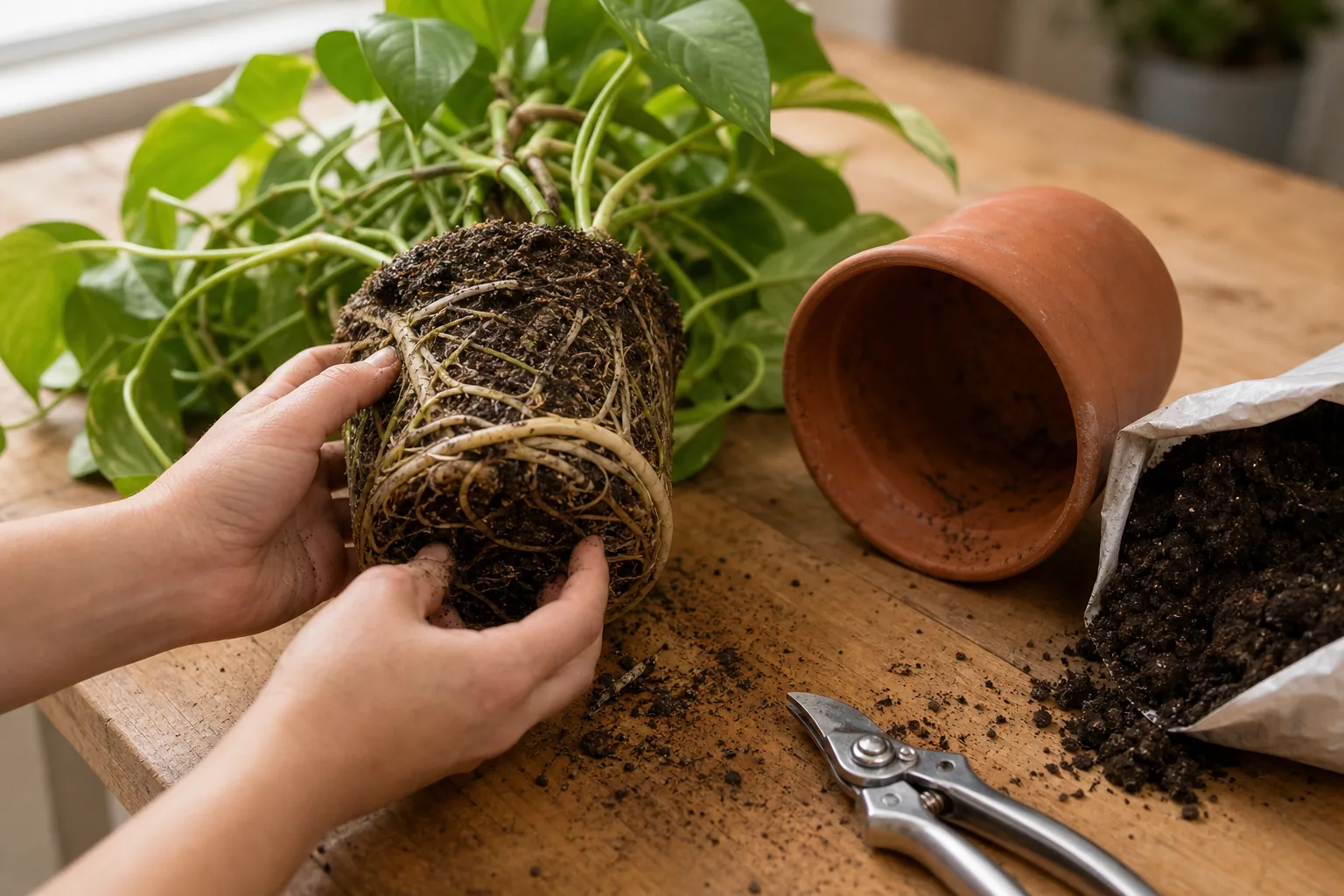
Root pruning houseplants: when the technique helps and how to limit the damage
When root pruning makes sense for a houseplant, when a bigger pot or division is the better fix, and how to trim with the least trauma.
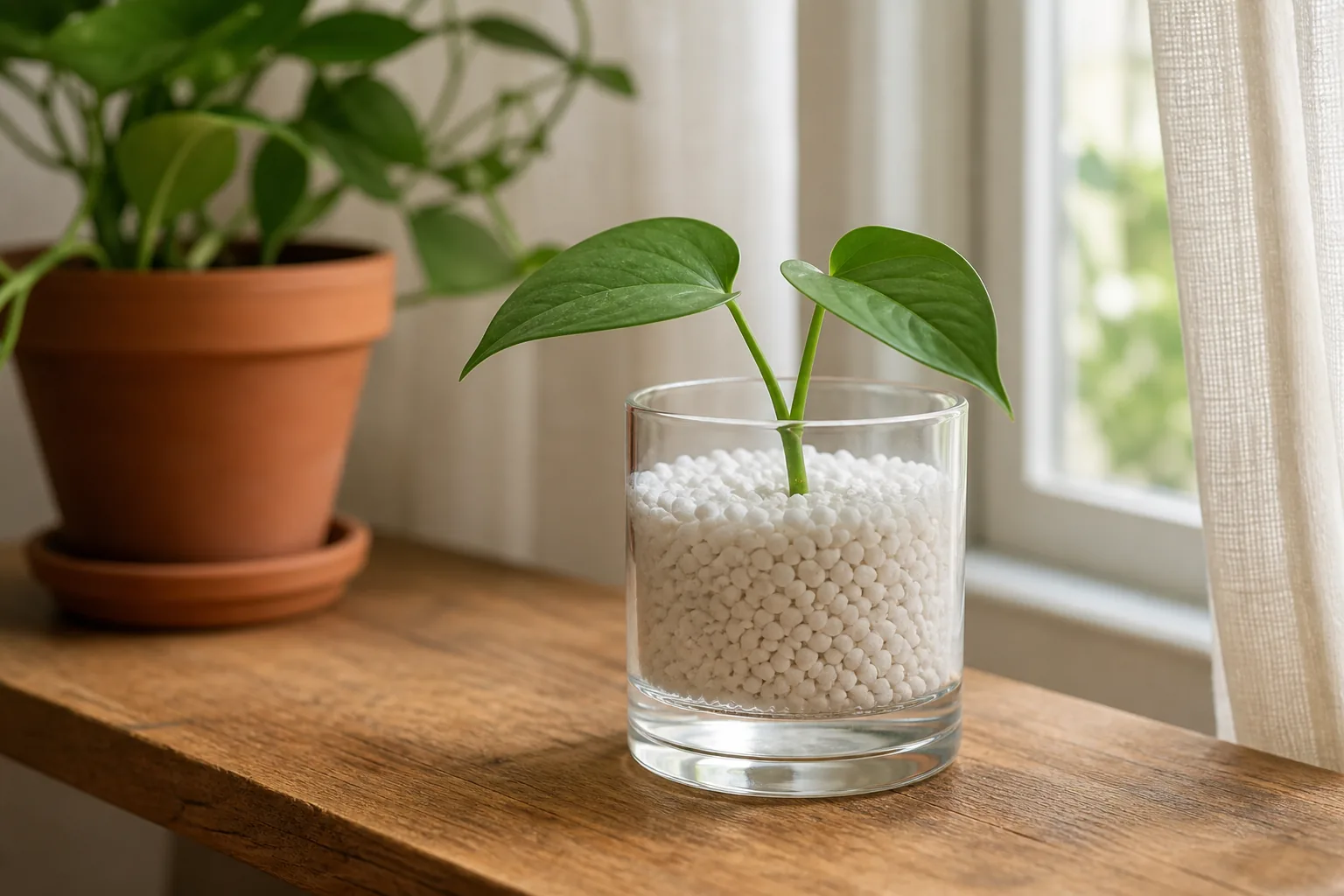
Rooting houseplant cuttings in perlite
How to root a houseplant cutting in plain perlite, including what perlite actually does, how to set up a simple container, and how to read healthy progress versus rot.
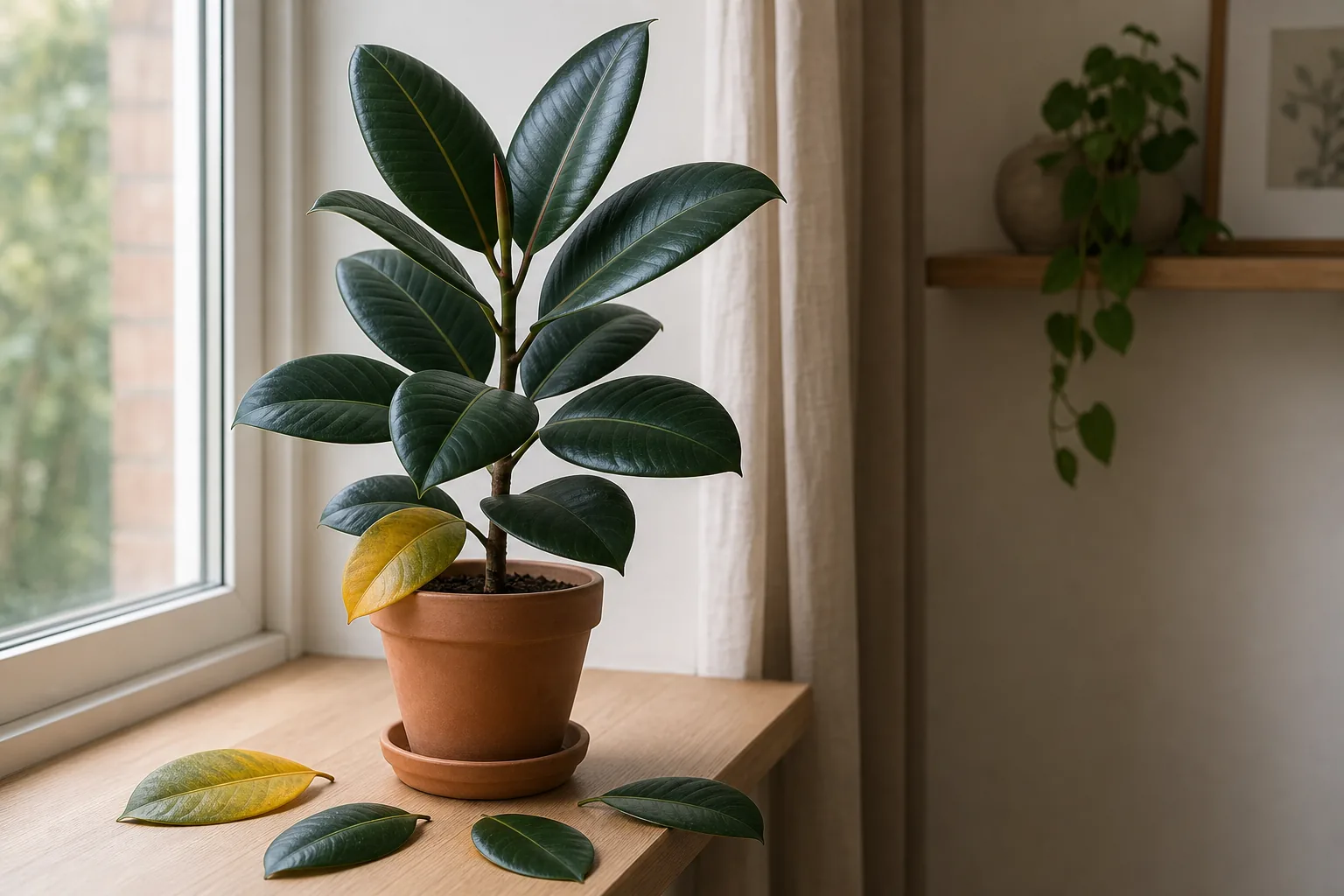
Rubber plant dropping leaves: a calm, observation-first guide
A Ficus elastica losing leaves indoors usually signals a change in light, water, temperature, or location. Here is a stabilization-first diagnostic order and what not to do.